Essential Barrier-Repair Ingredients for Deep Hydration and Damaged Skin Repair
Struggling with dryness or irritation? Discover powerful ingredients to restore and protect your skin barrier.
If your skin suddenly feels dry, sensitive, irritated, tight, or just off, there is a good chance your skin barrier is compromised. I have been there too, layering product after product and thinking I needed more hydration, when what my skin actually needed was repair.
The truth is much simpler than most of us expect. Deep hydration is not only about adding moisture to the skin. It is also about keeping that moisture locked in, and that only happens when your skin barrier is healthy enough to do its job properly.
If you have been searching for the best barrier-repair ingredients for deep hydration and damaged skin repair, this guide will help you understand which ingredients genuinely matter, how they work together, and how to use them in a way that supports real skin recovery over time.
When your barrier is damaged, the goal is not to keep adding stronger products. The fastest visible improvement usually comes from using fewer products with smarter ingredients that restore lipids, reduce water loss, and help the skin feel safe again.
Understanding the Skin Barrier
Before getting into ingredients, it helps to understand what the skin barrier actually does. Your skin barrier is the outermost protective layer of your skin. It acts like a shield that helps keep moisture in while blocking irritants, environmental stress, and unnecessary water loss.
I always think of it like a brick wall. Your skin cells are the bricks, and lipids like ceramides, cholesterol, and fatty acids are the cement holding everything together. When that structure is healthy, your skin feels balanced, smooth, soft, and comfortable. When it is damaged, moisture escapes more easily and irritation gets in faster.
- A healthy skin barrier keeps hydration from escaping too quickly.
- It helps reduce sensitivity and visible irritation.
- It allows the skin to recover more efficiently after stress.
- It makes the rest of your skincare routine work better.
Common Causes of Barrier Damage
Most damaged barriers do not happen overnight for no reason. In many cases, they build slowly because the skin keeps getting stressed without enough recovery time. I learned this the hard way when I kept pushing my skin with actives, thinking more treatment would somehow lead to faster results.
If your skin feels dry, red, tight, sensitive, rough, or more breakout-prone than usual, barrier weakness may be part of the problem. The answer is usually not doing more. It is choosing better ingredients for damaged skin barrier repair and giving them time to work.
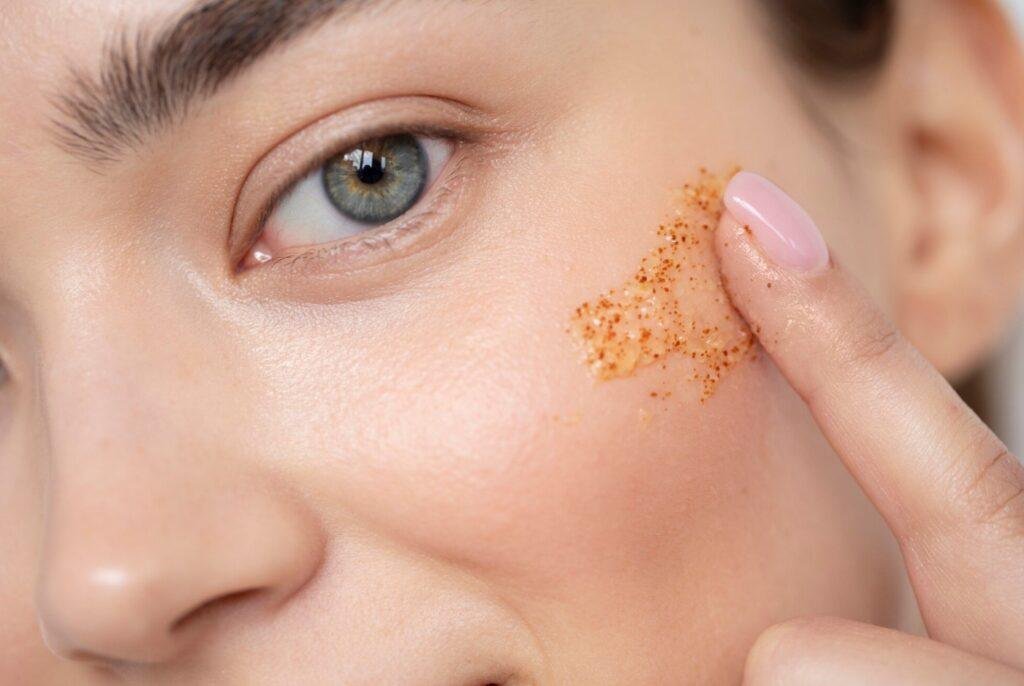
- Over-exfoliating with acids or scrubs
- Using retinol or strong actives too often
- Harsh cleansers that strip natural oils
- Sun exposure without proper protection
- Pollution and environmental stress
- Skipping moisturizers or hydration layers
- Trying too many products too quickly
Essential Barrier-Repair Ingredients
If your goal is deep hydration and damaged skin repair, these are the ingredients that matter most. Some attract water, some replace missing lipids, and some calm the irritation that often comes with a compromised barrier. The best routines usually combine several of them in a balanced way.
Ceramides: The Backbone of Barrier Repair
If there is one ingredient category I would never skip in a barrier routine, it is ceramides. Ceramides are naturally present in your skin and make up a major part of the barrier structure. When those levels drop, the skin starts losing water more easily and feeling much more irritated.
- Support a stronger barrier
- Reduce dryness and tightness
- Help skin hold hydration longer
- Essential in moisturizers
- Even better with cholesterol and fatty acids
- Ideal for long-term barrier health
Hyaluronic Acid: Hydration That Needs Sealing
Hyaluronic acid is one of the most popular ingredients for deep hydration, but it works best when you understand its role clearly. It attracts water into the skin, which can make the skin feel immediately fresher, plumper, and smoother. But if your barrier is damaged, that hydration can escape quickly unless you seal it in properly.
- Draws water into the skin
- Improves dehydration-related tightness
- Supports smoother-looking skin
- Never rely on it alone
- Pairs well with ceramides and glycerin
- Useful morning and night
Niacinamide: The Barrier Strengthener
Niacinamide is one of those ingredients that quietly improves the skin in several ways at once. It helps support ceramide production, reduces redness, improves overall texture, and helps the skin feel more balanced. I especially like it in routines where the skin is damaged but still reactive, because it feels helpful without being harsh.
- Supports ceramide production
- Helps reduce redness
- Improves skin balance over time
- Start around 2% to 5% if skin is fragile
- Works in serums and creams
- Easy to combine with hydrating products
Fatty Acids: Nourishment the Barrier Needs
Fatty acids are essential lipids that help keep the skin soft, flexible, and protected. When your skin lacks them, it often feels rougher, drier, and more vulnerable to irritation. This is one of the reasons some oils and lipid-rich moisturizers can make such a visible difference when the barrier feels worn down.
- Reduce water loss
- Support smoother skin texture
- Help rebuild a healthier barrier feel
- Great in creams and facial oils
- Useful for dry or flaky skin
- Pairs well with ceramides and cholesterol
Cholesterol: The Missing Piece in Repair
Cholesterol in skincare sounds unusual at first, but it is actually one of the most important barrier-repair ingredients for damaged skin. It works alongside ceramides and fatty acids to rebuild the lipid structure of the skin. A lot of people focus only on ceramides, but without cholesterol, the repair story is incomplete.
- Supports faster barrier recovery
- Improves comfort and resilience
- Works best with ceramides and fatty acids
- Look for it in barrier creams
- Helpful after overuse of actives
- Excellent for long-term repair
Panthenol: Relief for Stressed Skin
Panthenol, also known as provitamin B5, is one of my favorite ingredients when the skin feels uncomfortable and sensitive. It hydrates, soothes, and helps support healing at the same time. This makes it especially helpful when damaged skin feels tight, warm, irritated, or reactive.
- Attracts moisture to the skin
- Helps calm irritation
- Supports recovery in sensitive skin
- Good in serums and creams
- Useful during flare-ups
- Pairs well with ceramides
Squalane: Lightweight Moisture Lock
Squalane is a simple but powerful ingredient that helps reduce moisture loss without making the skin feel heavy. Because it resembles the skin’s natural oils, it tends to sit beautifully on most skin types, even care for acne-prone skin type. I love it because it gives comfort without the greasy finish some richer products leave behind.
- Improves softness and flexibility
- Prevents water from escaping too fast
- Feels light and non-greasy
- Great as a last step at night
- Works with barrier creams
- Helpful during seasonal dryness
Centella Asiatica: Calm and Restore
Centella Asiatica, often called cica, is especially useful if your damaged barrier comes with redness, breakouts, or visible inflammation. It helps calm the skin while supporting the recovery process. I think of it as one of the best ingredients for damaged skin repair when irritation and sensitivity are happening at the same time.
- Helps reduce visible redness
- Supports repair in reactive skin
- Useful after breakouts or irritation
- Good in calming serums
- Useful after active treatments
- Supports a more stable complexion
Glycerin: The Quiet Performer
Glycerin may not be the most glamorous skincare ingredient, but it is one of the most effective. It helps draw moisture into the skin and keep the surface feeling smoother and more comfortable. I often notice that simple formulas with glycerin work better for compromised skin than complicated products packed with too many trendy claims.
- Supports deep hydration
- Helps reduce roughness
- Works for almost every skin type
- Found in cleansers, serums, and creams
- Good for sensitive skin
- Pairs with nearly everything
Urea: Hydration with Texture Support
Urea is a very useful ingredient when damaged skin also feels rough, flaky, or uneven. At lower concentrations, it behaves more like a hydrating ingredient. At slightly higher levels, it can also help soften buildup on the surface. That makes it a strong choice when your barrier issues come with best hydrating ingredients for dry skin and texture.
- Improves hydration levels
- Softens rough patches
- Helps other products work better
- Good in creams for rough areas
- Useful when dehydration meets texture
- Can support faster visible smoothness
How to Build a Barrier Repair Routine
Choosing the right ingredients matters, but how you layer them matters just as much. The best skincare routine for damaged skin barrier repair is usually simple, consistent, and focused on hydration plus lipid support.
- Cleanse with a gentle non-stripping cleanser.
- Apply a hydrating serum with hyaluronic acid or glycerin.
- Use a barrier cream with ceramides, cholesterol, and fatty acids.
- Finish with sunscreen every single day.
- Cleanse gently without over-washing.
- Layer a calming or hydrating serum with niacinamide, panthenol, or centella.
- Moisturize generously with a barrier-repair cream.
- Seal with a few drops of squalane if your skin feels very dry.
Ingredients to Avoid During Repair
When you are trying to repair a damaged moisture barrier, certain ingredients and habits can slow things down. This is one of the biggest mistakes people make. They add good repair ingredients, but they keep using harsh products at the same time.
- Strong exfoliating acids
- High-strength retinol or retinal
- Alcohol-heavy formulas.
- Fragrance-heavy skincare
- Physical scrubs and harsh cleansing tools
- Constantly switching to new products
How Long Barrier Repair Takes
This is the part many of us struggle with, because we want our skin to feel better immediately. I definitely did. But damaged skin repair takes patience, especially if the barrier has been stressed for weeks or months.
In many cases, you can begin noticing some improvement within two to four weeks, especially if you stop the habits that caused the damage in the first place. Full recovery can take longer depending on how compromised the barrier is, how consistent your routine is, and how quickly you stop re-irritating the skin.
My Personal Experience
When my skin barrier was damaged, I kept trying to fix it with more actives. I thought exfoliation would smooth my skin faster and stronger products would somehow speed everything up. Instead, my skin became more sensitive, unpredictable, and dry.
Things only started changing when I simplified my routine and focused on barrier-repair ingredients for deep hydration and damaged skin repair. I started using a ceramide-based moisturizer, added a gentle hydrating serum, and stopped pushing my skin with unnecessary actives. Within a few weeks, my skin felt calmer, less red, and much more comfortable.
That experience really changed the way I think about skincare. Healthy skin is not about doing more. It is about supporting the skin properly so it can protect and heal itself again.
Final Thoughts
If your skin feels dry, sensitive, irritated, or unusually reactive, do not ignore it. These are often signs that your barrier needs help. The right combination of ceramides, cholesterol, fatty acids, humectants, and care for sensitive skin barrier can completely change how your skin feels over time.
Focus on repair first. Once your skin barrier is stronger, hydration lasts longer, irritation becomes easier to manage, and the rest of your skincare routine starts performing better too. That is why barrier health is the real foundation of healthy-looking skin.
At the end of the day, glowing skin is not only about what you apply. It is also about how well your skin can protect, hold moisture, and recover. And that all starts with a strong barrier.
Frequently Asked Questions
Which ingredients are best for repairing a damaged skin barrier?
Ceramides, cholesterol, fatty acids, panthenol, niacinamide, glycerin, and squalane are some of the best ingredients for damaged skin barrier repair and deep hydration.
Can hyaluronic acid repair the skin barrier by itself?
Not by itself. Hyaluronic acid helps attract water into the skin, but it works best when paired with barrier-repair ingredients like ceramides and a good moisturizer that seals hydration in.
What should I avoid when my skin barrier is damaged?
It is best to avoid strong exfoliating acids, high-strength retinol, harsh cleansers, alcohol-heavy formulas, physical scrubs, and heavily fragranced products until the skin feels stronger again.