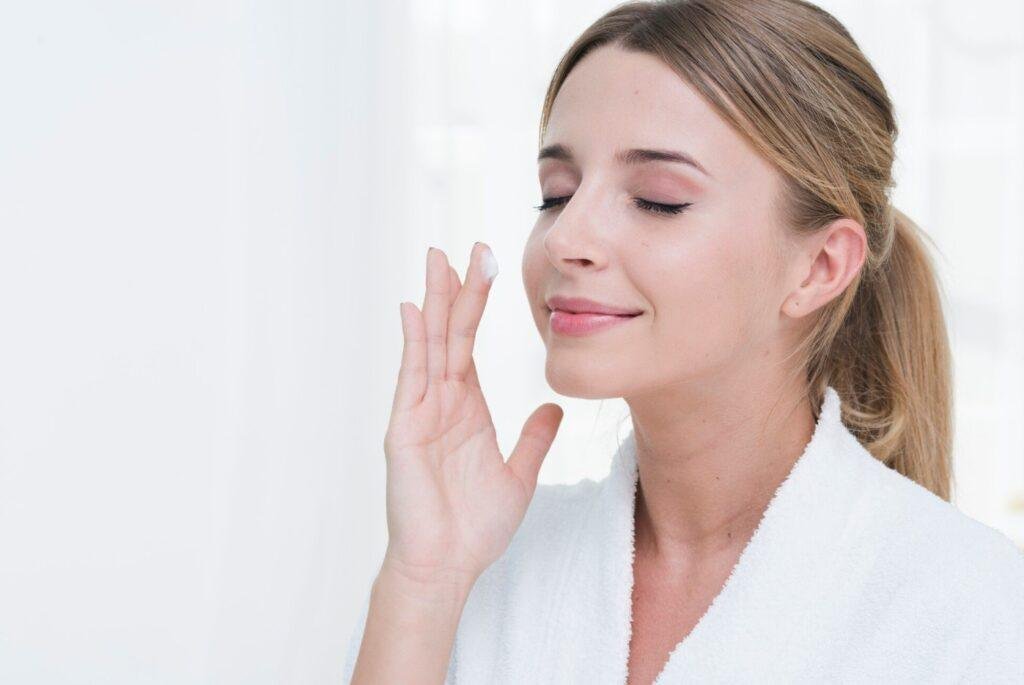
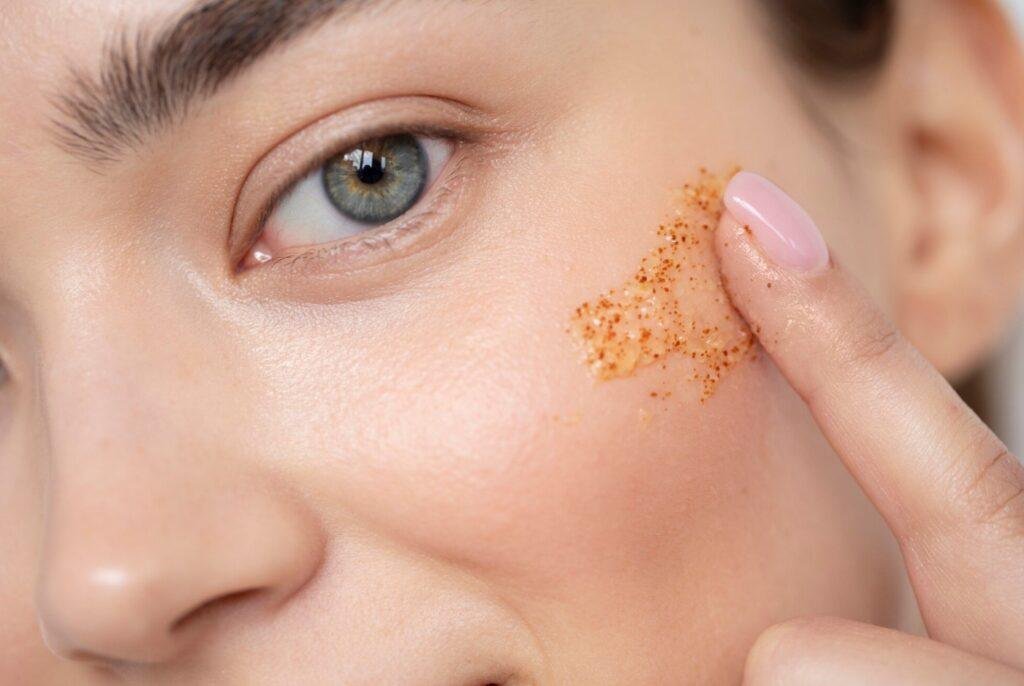
If your skin still looks dull, feels rough, or struggles with clogged pores despite using good skincare products, exfoliation might be the missing piece. I used to rely on face scrubs, thinking they were enough, but the results never lasted. Exfoliating acids made a noticeable difference. Instead of scrubbing the skin, they gently remove the buildup of dead skin cells that can leave your complexion looking tired. With regular use, they can help reveal smoother texture, clearer pores, and a healthier-looking glow without the harshness of traditional scrubs.
Why Your Skin Needs Exfoliation?
Your skin naturally sheds old cells and replaces them with new ones. When this process works properly, your skin looks smooth, fresh, and healthy.
But things like ageing, sun exposure, pollution, and stress can slow it down. As a result, dead skin cells start building up on the surface, making your skin look dull, rough, or uneven.
This is where exfoliating acids can help. Instead of scrubbing the skin, they gently remove the buildup of dead cells. Over time, this can lead to a smoother texture, brighter skin, clearer pores, and better product absorption.
Which Exfoliating Acid Is Right for Your Skin?
Many people think all exfoliating acids do the same thing, but that’s not true. Some work on the skin’s surface to improve texture and glow, while others go deeper into the pores to clear oil and buildup. Certain acids are gentle enough for sensitive skin, while others are stronger and work faster. Knowing the difference makes it much easier to choose the right one for your skin.
AHAs
Alpha Hydroxy Acids, usually called AHAs, work mainly on the surface of the skin.
They’re often recommended for people dealing with dullness, rough texture, uneven tone, or early signs of ageing. Because AHAs help remove dead skin from the outermost layers, they can make skin look fresher and more radiant relatively quickly. If your biggest complaint is that your skin looks tired or lacks glow, AHAs are usually where dermatologists suggest starting.
BHAs
BHAs work differently. Unlike AHAs, they’re oil-soluble, which means they can travel into the pores and break down excess oil and debris. This makes them particularly useful for oily skin, blackheads, and acne-prone complexions.
When someone says they want clearer pores rather than brighter skin, BHAs are often the better choice.
PHAs
PHAs don’t get nearly as much attention as glycolic or salicylic acid, but they deserve a place in the conversation. They exfoliate more slowly and tend to be much gentler on the skin. That makes them a good option for people who find traditional acids irritating or who are just beginning their exfoliation journey.
You won’t usually get dramatic overnight results from PHAs, but that’s not necessarily a bad thing. Sometimes slow and steady is exactly what sensitive skin needs.
Best Exfoliating Acids for Smooth, Clear, and Glowing Skin
Here are some exfoliating acids that can help with concerns like dullness, clogged pores, rough texture, and uneven skin tone. The right one depends on your skin type and what you’re trying to improve.
Glycolic acid is one of the most well known exfoliating acids and is often used for dull or uneven skin. It has a very small molecular size, which allows it to work more deeply on the skin’s surface compared to many other acids.
With regular use, skin can start to look smoother, brighter, and more refined. It may also help fade post acne marks and improve rough texture over time. Some people love the instant glow it gives, while others find it a bit strong, so starting with a low strength a few times a week usually works better.
Who Might Benefit Most from Glycolic Acid?
- Dull or tired-looking skin
- Rough texture
- Uneven skin tone
- Post-acne marks
- Early signs of aging
Lactic acid is a good choice for people who want gentle exfoliation. It works well for dry or sensitive skin that often reacts badly to stronger acids and ends up feeling even more irritated.
Unlike harsher options like glycolic acid, it helps improve texture while also supporting hydration. Skin slowly starts to feel softer and look smoother without that stripped feeling. It doesn’t give instant dramatic results, but it’s easier to stick with. Over time, consistent use is what really makes the difference.
Who Might Benefit Most from Lactic Acid?
- Dry skin
- Sensitive skin
- Mild roughness and flaking
- Dull complexions
- Beginners who are nervous about acids
- Anyone looking for gentle exfoliation with added hydration
Salicylic acid is one of the best exfoliating acids for oily and acne prone skin. Unlike many other acids, it can get inside the pores and help clear out excess oil, dead skin cells, and buildup that often lead to blackheads and breakouts.
With regular use, skin usually looks less congested and feels smoother. It can also help prevent new blemishes from forming. Just don’t overdo it. Using it too often may leave your skin feeling dry or irritated, so it’s best to start slowly.
Who Might Benefit Most from Salicylic Acid?
- Oily skin
- Blackheads
- Whiteheads
- Enlarged-looking pores
- Acne-prone skin
- Recurring congestion
Mandelic acid is often recommended for people who find other exfoliating acids too harsh. Because it works more slowly on the skin, it is less likely to cause redness, stinging, or irritation.
Even though it’s gentle, it can still help improve rough texture, mild breakouts, and uneven skin tone. Results may take a little longer to appear, but many people find it easier to use consistently. If stronger acids haven’t worked well for your skin, mandelic acid is worth considering.
Who Might Benefit Most from Mandelic Acid?
- Sensitive skin
- Beginners
- Mild acne
- Uneven skin tone
- Post-inflammatory marks
- Reactive skin types
Citric acid is a mild exfoliating acid often found in brightening skincare products. While it is not as powerful as glycolic or salicylic acid, it can help improve skin radiance and support a more even-looking complexion.
You’ll usually find citric acid combined with other exfoliating ingredients rather than used on its own. It helps enhance the overall formula and can contribute to smoother, brighter-looking skin without being overly harsh.
Who Might Benefit Most from Citric Acid?
- Dull skin
- Uneven skin texture
- Early signs of aging
- Mild hyperpigmentation
- Oily or congested skin
If your skin gets irritated easily, gluconolactone may be a better choice than stronger exfoliating acids. As a PHA, it exfoliates gently while helping the skin stay hydrated.
It can improve dullness and rough texture without causing as much irritation as some AHAs or BHAs. This makes it a good option for sensitive, dehydrated, or over-exfoliated skin. While results may take longer to appear, many people find it easier to use regularly without discomfort.
Who Might Benefit Most from Gluconolactone?
- Sensitive skin
- Over-exfoliated skin
- Dehydrated skin
- Beginners
- Skin barrier recovery
- People who find AHAs and BHAs too strong
Key Takeaway
There is no single best exfoliating acid for everyone. What works for one skin type may irritate another. Glycolic and lactic acid help dullness, salicylic acid targets breakouts, while mandelic acid and gluconolactone suit sensitive skin. The real goal is choosing an acid your skin can comfortably tolerate and use regularly.
This topic also connects naturally with blackheads causes prevention, whiteheads causes skincare treatments, dull skin causes and fix, sensitive skin care routine, and oily skin care routine.