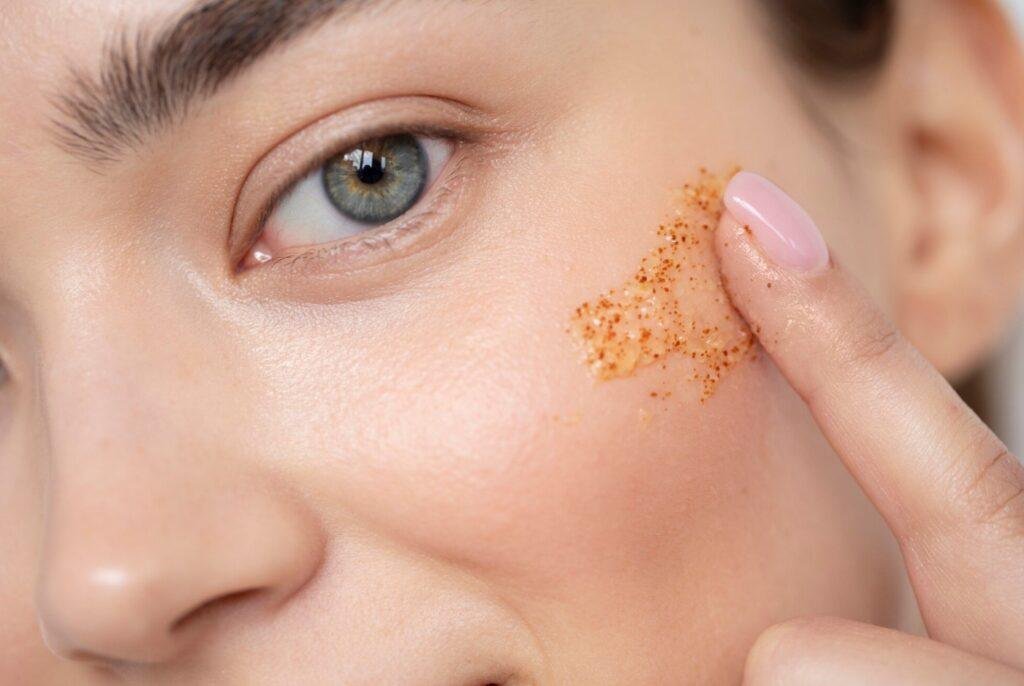
Have you ever noticed your skin feeling tight, dry, or unusually sensitive even after following your usual skincare routine? I experienced this myself after using too many exfoliating products. My skin became irritated, dehydrated, and uncomfortable, and nothing seemed to help until I started focusing on repairing my skin barrier.
Here are the best barrier repair ingredients which I’m bringing you, but first it’s important to understand why the skin barrier matters. The skin barrier is the outer layer of your skin that helps lock in moisture and protect against irritants, pollution, and environmental damage. When this barrier becomes weakened or damaged, your skin may feel dry, rough, tight, sensitive, or appear dull and unhealthy. Common causes of barrier damage include harsh cleansers, over-exfoliation, excessive sun exposure, stress, and cold or dry weather conditions.
Hyaluronic Acid
Hyaluronic acid is one of the most trusted ingredients when it comes to skin hydration. It does not add oil or heaviness, but instead works by holding water inside the skin, which helps it feel soft, smooth, and naturally plump.
Different types of hyaluronic acid work at different levels. Some stay on the surface and give an instant hydrating feel, while smaller molecules go deeper and support longer-lasting hydration. Because of this, multi-molecular formulas are usually more effective for overall skin comfort.
How you apply it also matters a lot. It should always go on slightly damp skin so it can trap water properly. If the skin is completely dry, especially in dry weather or air conditioning, it can sometimes pull moisture from deeper layers and make dryness feel worse instead of better.
Niacinamide (Vitamin B3)
Niacinamide is a very helpful ingredient when the skin barrier is weak or damaged. Instead of just sitting on the surface, it actually supports the skin from within by helping it produce its own protective lipids like ceramides and fatty acids.
This makes it useful for long-term barrier repair rather than just temporary relief. It also helps calm redness and improves overall skin balance over time.
Most people do better with lower concentrations, around 2% to 5%. At higher levels, especially 10% or more, some sensitive skin types may experience flushing, irritation, or breakouts.
When used properly, it feels gentle on the skin and slowly improves strength, smoothness, and oil balance without causing stress.
Panthenol (Vitamin B5)
Panthenol is known as one of the most calming ingredients for irritated skin. Once it is absorbed, it converts into Vitamin B5, which is naturally involved in skin repair.
It works by attracting and holding moisture inside the skin, which helps reduce dryness and tightness. At the same time, it supports the skin’s healing process, especially when the barrier is damaged or inflamed.
It is often used in products meant for sensitive or compromised skin because it feels light, soothing, and non-irritating. With regular use, it can also help reduce itching and small cracks in the skin surface.
Centella Asiatica (Cica)
Centella Asiatica, also called Cica or Tiger Grass, is widely used for calming stressed and irritated skin. It contains natural compounds that help reduce inflammation and support skin recovery.
When the skin is red or overheated, Centella helps bring down that discomfort and gives a more balanced feel. It is especially helpful after over-exfoliation or overuse of strong actives like retinoids and acids.
Many people find it comforting because it quickly reduces the feeling of sensitivity and helps the skin look less reactive over time.
Beta Glucan
Beta glucan is a powerful hydrating ingredient found in oats, yeast, and certain fungi. It is known for holding moisture very well and helping the skin stay hydrated for longer periods.
It also forms a light protective layer on the skin, which helps reduce irritation while the barrier is healing. This makes it especially useful for sensitive or compromised skin.
Another benefit is its role in supporting the skin’s natural defense system. It helps the skin stay stronger and more stable during recovery, especially when the barrier is not functioning properly.
Allantoin
Allantoin is a gentle soothing ingredient that helps calm and smooth irritated skin. When the skin barrier is damaged, the surface often becomes rough due to uneven buildup of dead skin cells.
Instead of scrubbing or using acids, allantoin helps soften this buildup naturally so the skin can shed it gently without irritation. This makes the texture feel smoother over time.
It also helps reduce discomfort and supports the skin’s natural renewal process, making it useful for sensitive or healing skin.
Cholesterol
Cholesterol is an essential part of a healthy skin barrier, but it is often overlooked compared to ceramides.
It works together with ceramides and fatty acids to keep the skin barrier strong and flexible. Without it, the barrier can become less stable and more prone to moisture loss.
When all three are present in balance, the skin is better able to hold hydration, protect itself, and recover from damage more effectively.
Final Thoughts
Healing a damaged skin barrier takes patience and a simple approach. The focus should always be on supporting the skin, not pushing it with strong actives.
Gentle hydration, soothing ingredients, and skin-identical lipids make the biggest difference over time. When the skin is left alone to recover with the right support, it slowly rebuilds its strength and becomes more stable and comfortable again.