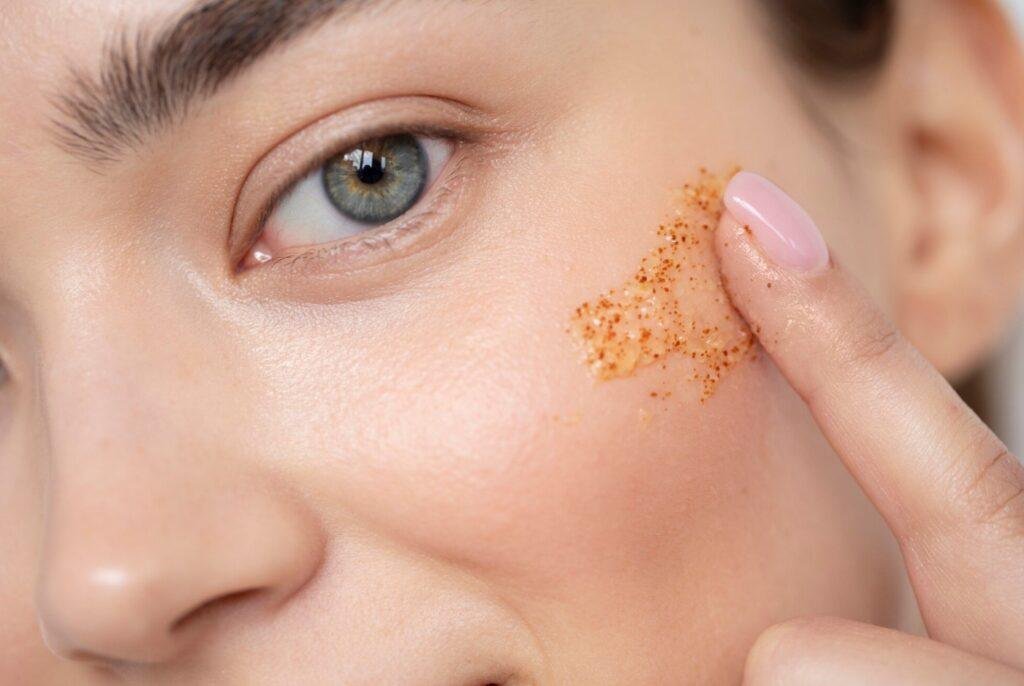

Skin redness and irritation usually happen when the skin barrier becomes weak and inflammation is triggered by harsh products, environmental stress, or best exfoliating acids. This leads to sensitivity, dryness, and discomfort that can make the skin look and feel reactive.
In my research and product testing, I have found that soothing ingredients work best when they calm inflammation, repair the barrier, and restore hydration together. I focus on ingredients that support recovery rather than just masking irritation symptoms.
Aloe Vera
In my observations, Aloe Vera gives a very quick cooling relief when the skin feels hot, red, or irritated. The gel inside the plant contains acemannan, which helps calm that overheated, stressed feeling in the skin. It works almost instantly after application, especially when the skin has been exposed to sun, wind, or strong exfoliation that leaves it uncomfortable and reactive.
I usually prefer using pure Aloe Vera gel without extra additives. I apply it as a thin layer when my skin feels inflamed or slightly thick like a mask when the irritation is stronger. It helps the skin settle and feel normal again without any heaviness or stickiness.
Centella Asiatica
Centella Asiatica is something I keep coming back to when the skin feels damaged or constantly red. From my experience, it works especially well after using strong actives that have weakened the skin barrier. It contains compounds like asiaticoside and madecassoside that support repair and help calm ongoing sensitivity.
I like using it in serums or recovery creams at night when the skin needs time to heal. Over a few days, I notice the skin feels less reactive and more stable. It doesn’t just calm redness but slowly helps the skin become stronger and less easily irritated.
Chamomile Extract
Chamomile extract is one of those ingredients I rely on when the skin feels unpredictable and reacts to everything. It contains natural compounds like bisabolol and chamazulene that help reduce visible redness and that slight stinging feeling that often comes with sensitivity.
I usually find it works best in lightweight toners or calming mists that can be layered during the day. It gives a soft soothing effect without overwhelming the skin, which is important when the barrier is already stressed and fragile.
Colloidal Oatmeal
Colloidal oatmeal has always stood out to me for irritated, itchy, or extremely dry skin. It forms a gentle film over the skin that helps reduce discomfort almost immediately. In my testing, it is especially helpful during flare ups when nothing else feels comfortable.
It contains avenanthramides that help calm inflammation while locking in moisture. I prefer using it in creams or cleansing formulas because it gives both instant relief and longer hydration support for the skin.
Niacinamide
Niacinamide is one of the few ingredients I use consistently for overall skin balance. It helps support ceramide production, which is important for strengthening the skin barrier over time. I’ve noticed it also helps reduce mild redness and uneven tone when used regularly.
I prefer lower to moderate strengths, especially when the skin is already sensitive. Over time, it helps the skin become more stable and less reactive to environmental stress or active ingredients.
Green Tea Extract
Green tea extract is something I reach for when the skin is dealing with pollution or sun stress. It contains EGCG, a strong antioxidant that helps calm inflammation and reduce visible redness caused by environmental triggers. This is one reason I also pay attention to antioxidants against pollution damage in skincare.
I usually like it in morning skincare routines because it gives a layer of protection without feeling heavy. With regular use, I’ve noticed it helps keep the skin calmer even on stressful skin days.
Calendula
Calendula extract is something I often use for small irritated or dry patches that need gentle care. It has a long history of being used for calming inflamed or broken skin and it still holds up in modern skincare.
I find it especially useful around sensitive areas like the nose or lips when the skin feels chafed. It works best in balms or thicker recovery formulas where it can stay on the skin longer.
Panthenol
Panthenol is one of those ingredients I trust when the skin feels tight or dehydrated. Once it absorbs, it converts into Vitamin B5, which helps support moisture retention and barrier repair.
I notice it gives a soft, comfortable feeling almost immediately after application. I usually like it in moisturizers or hydrating layers because it helps reduce that dry, uncomfortable tightness quickly.
Allantoin
Allantoin is an ingredient I find useful when the skin feels rough, flaky, or slightly irritated. It gently supports skin renewal without causing extra sensitivity, which makes it suitable for compromised skin.
It also helps smooth texture over time while calming inflammation. I usually see it in recovery creams where the focus is on slowly restoring skin comfort rather than quick visible changes.
Licorice Root Extract
Licorice root extract is something I rely on when redness tends to leave marks or uneven tone behind. It helps calm active inflammation and also supports more even-looking skin over time.
I find it works well in both morning and night routines. With consistent use, it helps reduce lingering redness and keeps the skin tone more balanced and steady, especially when unevenness overlaps with uneven skin tone causes.
Ceramides
Ceramides are one of the most important parts of a healthy skin barrier, and I always consider them essential for sensitive skin. They help fill the gaps between skin cells and reduce moisture loss.
I’ve noticed that regular use makes the skin less reactive and more resilient. I usually prefer ceramide-rich creams as the final step in a routine for barrier repair ingredients.
Hyaluronic Acid
Hyaluronic acid is something I use when the skin feels dry or slightly irritated due to dehydration. It helps attract water into the skin and gives a soft, plump feeling.
I always apply it on damp skin so it doesn’t feel tight. When sealed with a moisturiser, it helps maintain hydration and keeps the skin more comfortable throughout the day, especially alongside best hydrating ingredients.
How to Apply These Soothing Ingredients Safely
When the skin is red or irritated, I’ve learned the hard way that how you apply products matters just as much as what you apply. At that stage, the skin is already reactive, so even good ingredients can feel wrong if the routine is too heavy or rushed.
I usually stop everything strong first. Retinoids, acids, and vitamin C all of it gets paused for a while. Then I keep things very simple, starting with watery layers like aloe or hyaluronic acid, followed by something calming like centella or niacinamide, and finally a basic ceramide cream. I also stick to lukewarm water because anything too hot just makes the redness worse, especially in a sensitive skin care routine.
Final Thought
Calming sensitive skin is not about using more products, it is about using the right simple ones. When my skin is irritated, I go back to a gentle cleanser, a calming serum, and a barrier cream.
Once the skin is not overloaded, it starts to repair itself better. If you want, tell me your skin type or what caused the irritation and I can help you build a routine that fits your skin.