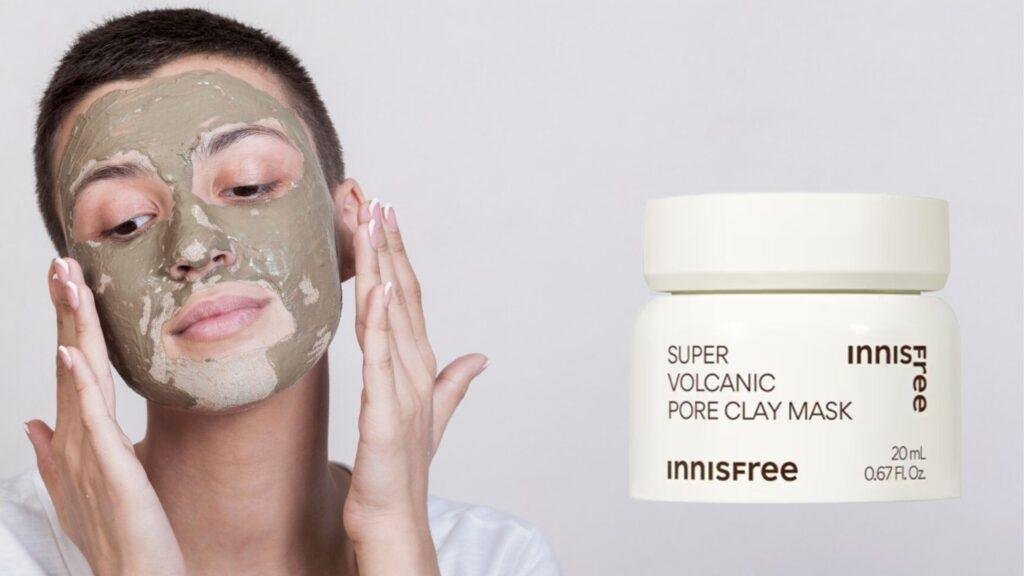
Everyone on my feed has been talking about this Korean clay mask for deep sebum control. People say it works like a vacuum cleaner for your face. I was honestly not convinced because most viral products turn out to be just hype and marketing.
My skin is very oily and has been breaking out with clogged pores and a constant greasy shine, so I finally gave in and bought a jar to try it myself. I wanted to see if it really works or if it is just internet hype. Normally my skin does not stay fresh for long. Even after washing my face it starts looking oily again within an hour. I needed something strong that could help control oil in my T zone without damaging my skin barrier. Here is my honest experience with this grey clay mask and whether it is actually worth the hype or just another product that looks good online.
What Skin Concerns Does It Treat?
This mask is mainly made for people who struggle with oily and congested skin. It focuses on cleaning out the pores and reducing that greasy look on the face.
Excessive daytime shine
It helps control extra oil on the skin and reduces that shiny look that shows up during the day. This is essential if you follow an oily skin care guide for daily management.
Stretched visible pores
It clears out dirt and oil stuck inside the pores which can make them look smaller and less noticeable. For more on this, see this what are blackheads causes prevention guide to understand pore congestion.
Surface roughness
It gently removes dead skin on the surface so the skin feels smoother and looks more fresh. This pairs well with the best exfoliating acids smooth glowing skin for a complete texture fix.
Congested T zone
It deeply cleans the nose and forehead area where blackheads and buildup usually collect.
4 Key Ingredients Breakdown
This mask works because of a mix of ingredients that help clean pores, remove oil, and smooth the skin. Each one has a simple job that supports clearer skin.
These are tiny lava particles that act like a sponge on your skin. They pull out oil, dirt, and buildup from deep inside the pores. This is the main reason people search for an Innisfree volcanic clay mask online buy option.
This is a gentle acid that removes dead skin from the surface. It helps clear the top layer so the other ingredients can work better.
These are fine scrub particles that gently buff the skin while washing off the mask. They help remove rough and flaky skin to make the face feel smoother.
These are natural clays that soak up extra oil from the skin. They also give a tight and clean feeling after use, especially around the pores.
Texture Review
This mask comes out as a thick grey paste. It feels more creamy than chalky, which makes it easy to spread on the face. When you apply it, you can feel tiny soft exfoliating bits moving gently on the skin without feeling harsh or scratchy.
After a few minutes, it starts drying down and turns completely matte. You can feel the skin tightening, but it still allows some movement so it does not feel too uncomfortable. It has a very light earthy smell that is barely noticeable and goes away quickly. Once you rinse it off, the skin feels clean, fresh, and very light.
4 Common Mistakes to Avoid
Letting it crack completely
Do not leave it on until it fully cracks and turns very dry. At that stage it can make the skin feel overly tight and uncomfortable.
Using it on dry skin
Always apply it on slightly damp skin. If your face is too dry, it can pull out more moisture than needed and leave your skin feeling tight.
Aggressive scrubbing during rinse
When washing it off, be gentle. Rubbing too hard can irritate the skin and may cause tiny damage on the surface.
Mixing it with strong retinol
Do not use this mask on the same night as strong retinol products. Using both together can make your skin feel irritated and sensitive.
How to Use: Step by Step Routine
AM Routine
- Do not use the mask in the morning
- Wash face with gentle cleanser
- Apply hydrating serum
- Use light moisturizer
- Finish with sunscreen
PM Routine
- Remove makeup with cleansing oil
- Wash face with foaming cleanser
- Keep skin slightly damp
- Apply thin layer of mask
- Wait 10 minutes
- Wipe off with warm wet cloth gently
My Experience
In the first few uses, I was actually a bit surprised after washing it off. My skin looked smoother and more matte, and it did not feel too dry or tight like some other clay masks I have tried before. I mainly noticed that the oil around my nose was better controlled, which helped my makeup stay in place the next day.
After using it regularly for about two months, my skin started to look clearer and less congested. The blackheads on my nose became less visible and my skin texture felt smoother overall. It did not permanently change my pores, but keeping them clean definitely made them look less noticeable.
Pros and Cons
Pros
- Instantly mattifies the skin surface
- Tightens the temporary appearance of stretched pores
- Reduces excess surface oil for days after use
- Feels incredibly refreshing and cooling on hot days
Cons
- Can feel overly stripping if left on too long
- Hard to rinse off without a washcloth
Innisfree Super Volcanic Pore Clay Mask vs Other Clay Masks
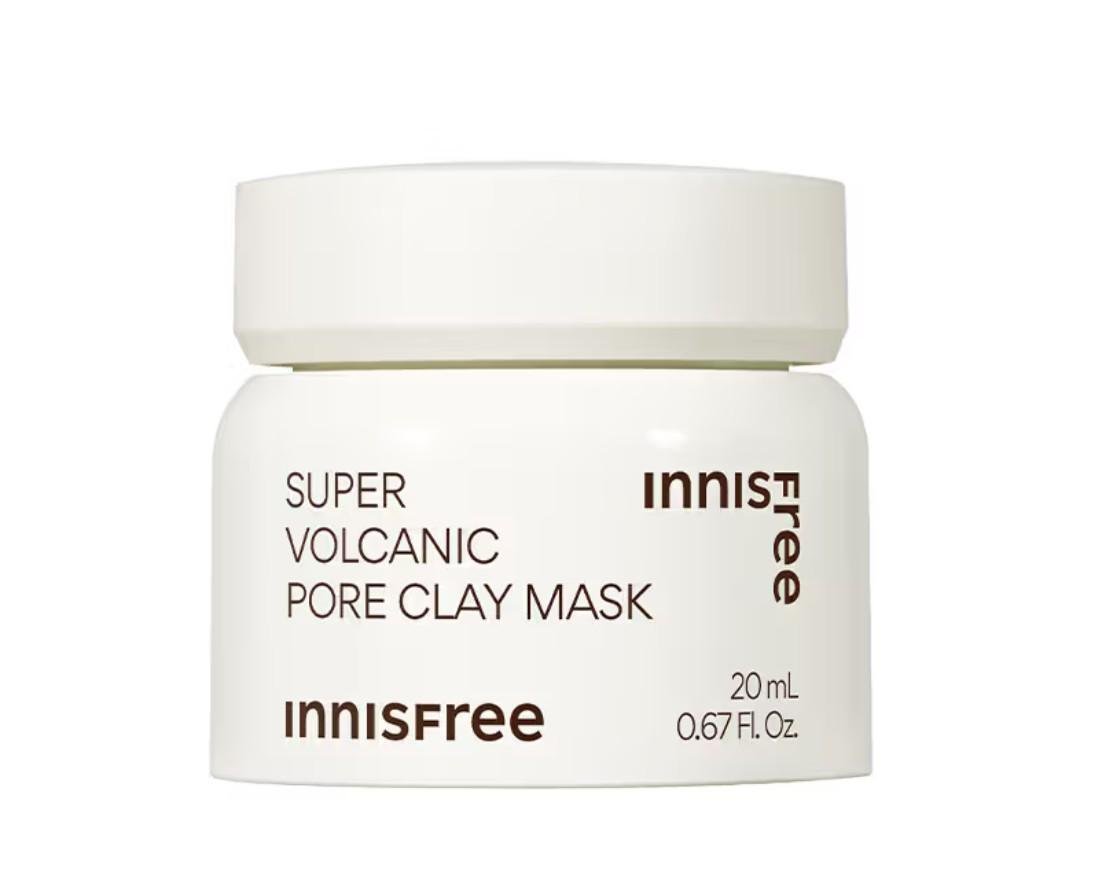
Innisfree Super Volcanic Pore Clay Mask
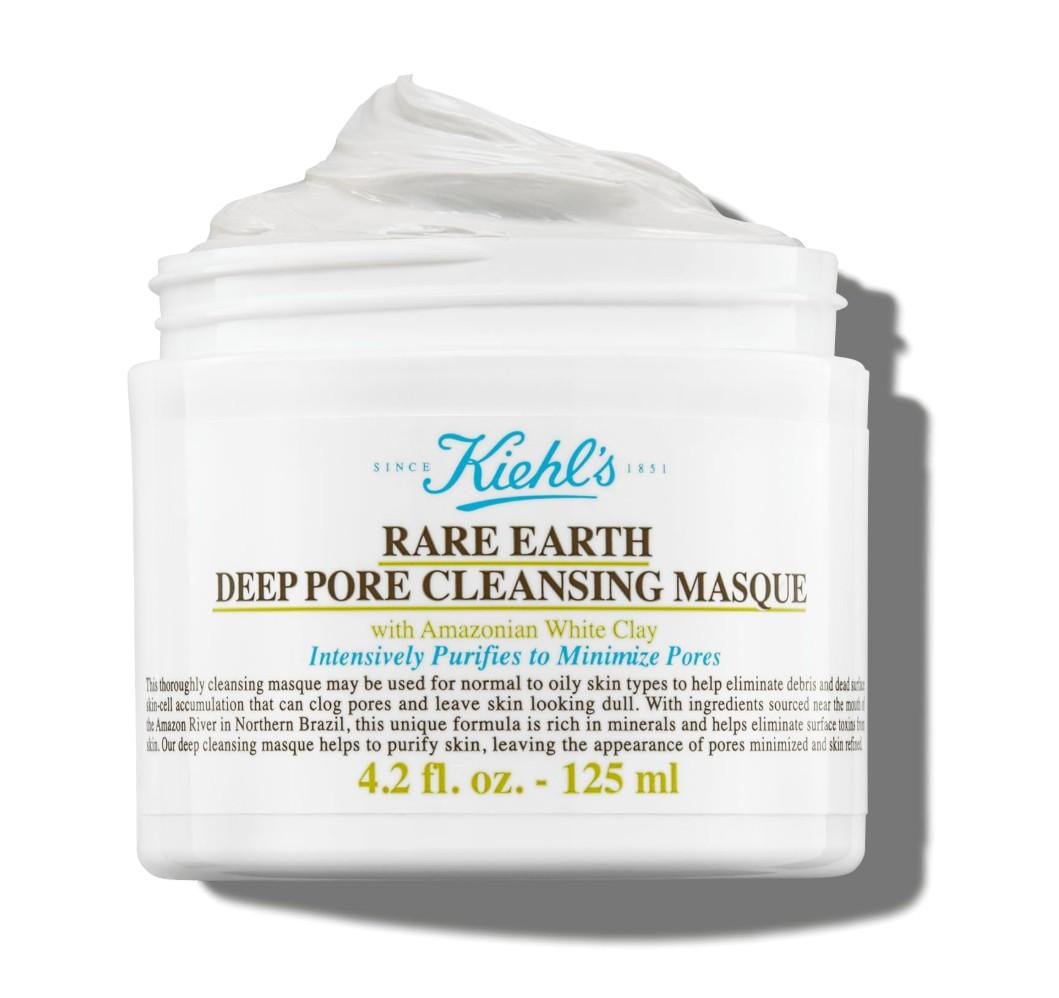
Kiehl’s Rare Earth Mask
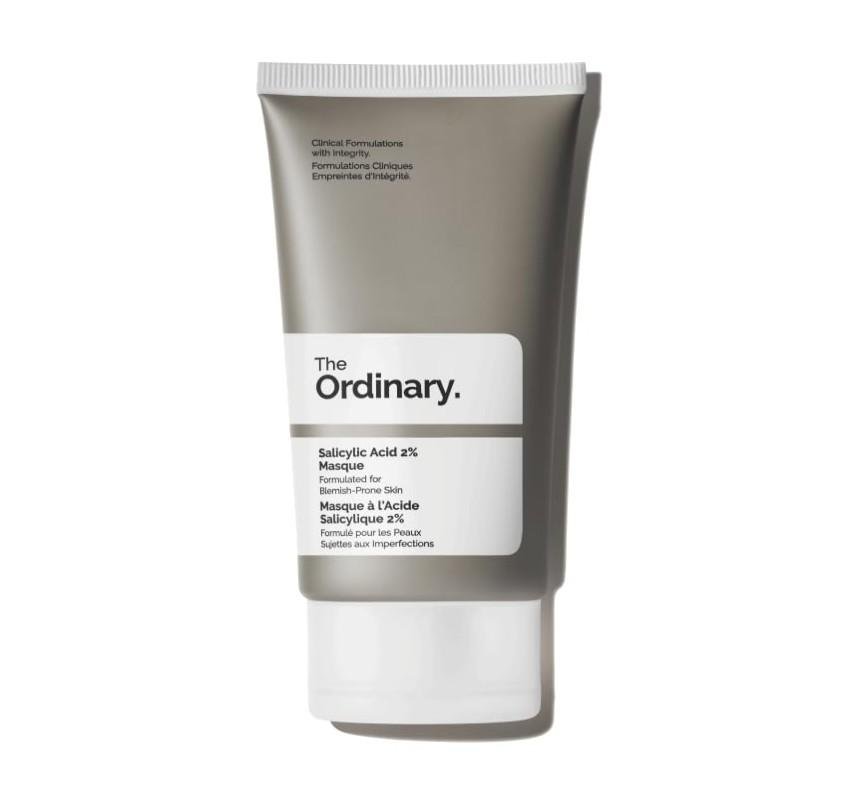
The Ordinary 2% Salicylic Masque
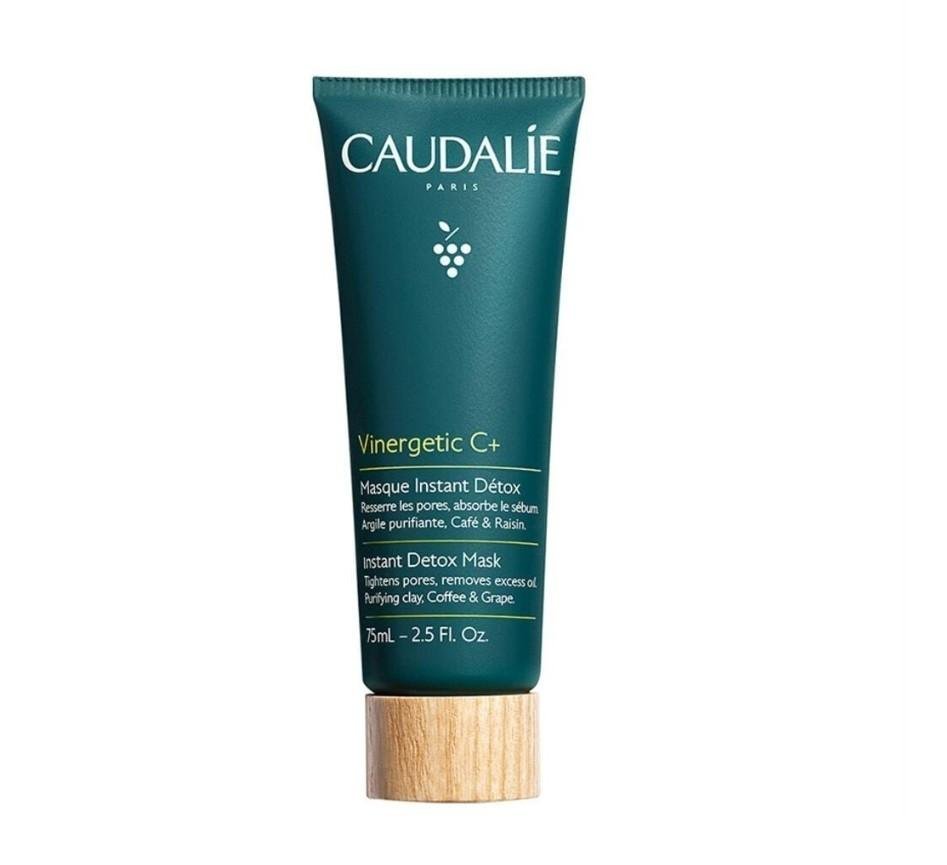
Caudalie Instant Detox Mask
Final Verdict
This mask works really well for people with oily and congested skin. It gives quick and visible results, especially in reducing shine and making the skin look more matte. If you’re looking for an Innisfree pore clay mask vs Aztec comparison, this is a gentler daily option.
If your skin is dry, flaky, or very sensitive, this is not a good choice. It can feel too strong and may disturb your skin barrier. I would rate it 4.5 out of 5 because it is affordable and very effective for controlling oil and keeping pores clean. This makes the Innisfree super volcanic mask sale price worth it, you can where to get Innisfree clay mask at many online retailers.
Who Should Buy It
- Great for oily and combination skin that gets shiny quickly
- A good choice if blackheads and clogged pores are a regular problem
- If your skin feels dull or rough, it can leave it feeling smoother after use.
Who Should Skip It
- If your skin is already dry, it may feel a bit too drying
- If your skin reacts easily to skincare products, it could cause some irritation
- You want easy removal, It takes a bit of effort and needs proper rinsing to fully come off
Disclaimer
This information is shared for educational purposes only. Always do a patch test before trying any new product, and consult a dermatologist if you have sensitive or reactive skin.
Frequently Asked Questions
Is Innisfree Super Volcanic Mask too drying for oily skin type users?
No, it is not too drying for oily skin as long as you do not leave it on until it fully cracks and becomes too dry.
Can a volcanic clay mask help with clogged pores and hormonal acne?
It can help clean surface oil and clogged pores, but it will not treat deep hormonal or cystic acne completely on its own. For more on acne, see this acne fighting ingredients breakouts pimples acne scars treatment guide.
Is Innisfree volcanic mask worth it?
Yes, it is worth it for oily and congested skin. It gives visible oil control and smoother texture, and it’s one of the more practical clay masks for a weekly routine.