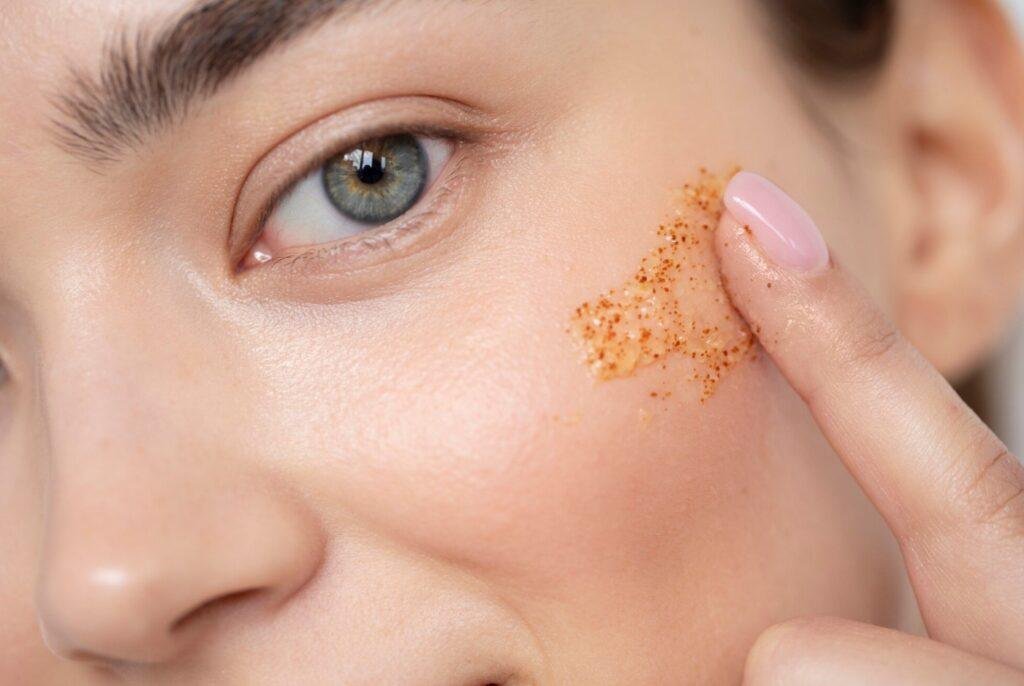
Best Brightening Ingredients for Skin: Treat Dark Spots, Pigmentation and Dullness
Discover the most effective brightening ingredients for skin that help reduce dark spots, improve pigmentation, and bring back a clearer, healthier glow over time.
If your skin has been looking uneven, dull, or patchy lately, you are not alone. Dark spots and pigmentation often stay longer than expected, especially after breakouts, sun exposure, or inflammation.
The good news is that the right ingredients can make a meaningful difference. Once your routine includes targeted brightening actives, skin usually starts looking clearer, fresher, and more even over time.
This guide covers the most useful ingredients for brightening skin, how they work, and which concerns they suit best.
Not every brightening ingredient works in the same way. Some target melanin directly, some improve cell turnover, and some support skin barrier health so the complexion looks calmer and clearer.
Best Brightening Ingredients
Vitamin C: The Gold Standard for Brightening
If I had to pick one ingredient that truly changed my skin, it would be vitamin C.
Vitamin C is known for its ability to brighten skin, fade dark spots, and protect against environmental damage. It works by reducing melanin formation and boosting collagen production, which also helps improve skin texture.
- Dark spots
- Uneven skin tone
- Dull skin
- Early signs of aging
Niacinamide: The Gentle Brightener
Niacinamide is one of the most beginner friendly ingredients I recommend.
It is a form of vitamin B3 that helps reduce pigmentation, control oil, and strengthen the skin barrier. What I love most is how gentle it is, making it suitable for almost all skin types.
- Sensitive skin
- Acne marks
- Uneven skin tone
- Oily and combination skin
Alpha Arbutin: Targeted Spot Correction
Alpha arbutin is a powerful yet gentle ingredient specifically designed to treat pigmentation.
It is often compared to hydroquinone but is much safer and suitable for long term use.
- Stubborn dark spots
- Post acne marks
- Sun damage
Kojic Acid: Brightening with Care
Kojic acid is another ingredient known for reducing pigmentation and brightening the skin.
It is derived from fungi and is commonly used in products targeting uneven skin tone.
- Melasma
- Sun spots
- Uneven tone
Licorice Root Extract: Natural Brightening Power
If you prefer more natural ingredients, licorice root extract is a great option.
It is often underrated but highly effective for calming inflammation and reducing pigmentation.
- Redness
- Pigmentation
- Sensitive skin
Exfoliating Acids: For Instant Glow and Long Term Results
Sometimes, dull skin is simply a result of dead skin buildup. That is where exfoliating acids come in.
- Dull skin
- Uneven texture
- Mild pigmentation
BHA: Salicylic Acid
Salicylic acid is oil soluble, which makes it perfect for oily and acne prone skin.
- Acne prone skin
- Blackheads
- Post acne marks
Retinol: The Skin Renewal Expert
Retinol is one of the most powerful ingredients for improving overall skin health.
While it is mainly known for anti aging, it also plays a huge role in brightening.
- Stubborn pigmentation
- Fine lines
- Uneven skin tone
Azelaic Acid: The Multi Tasker
Azelaic acid is one of those ingredients that does a bit of everything.
It is great for treating acne, redness, and pigmentation all at once.
- Acne and pigmentation together
- Sensitive skin
- Redness
Tranexamic Acid: The New Brightening Star
Tranexamic acid has recently become very popular in skincare, especially for treating stubborn pigmentation.
- Hormonal pigmentation
- Uneven skin tone
- Resistant dark spots
Hyaluronic Acid: The Glow Booster
While hyaluronic acid is not a brightening ingredient in the traditional sense, it plays an important role.
- Dry skin
- Dehydrated dull skin
- All skin types
How These Ingredients Compare
This comparison table stays readable on mobile without any horizontal slider. On smaller screens, each row becomes a stacked table card automatically.
| Ingredient | Why It Works | Best For | How to Use |
|---|---|---|---|
| Vitamin C | Reduces melanin formation and provides antioxidant protection. | Dark spots, dull skin, uneven tone, early signs of aging. | Use in the morning before sunscreen. |
| Niacinamide | Reduces melanin transfer and supports the barrier. | Sensitive skin, acne marks, oily and combination skin. | Use morning and night. |
| Alpha Arbutin | Targets tyrosinase to help reduce pigmentation directly. | Stubborn spots, post-acne marks, sun damage. | Use once or twice daily in serum form. |
| Kojic Acid | Helps reduce melanin production in dark patches. | Melasma, sun spots, uneven tone. | Use carefully and always pair with sunscreen. |
| Licorice Root Extract | Helps calm skin and reduce visible pigmentation. | Redness, pigmentation, sensitive skin. | Use in serums or creams with other brighteners. |
| AHA Acids | Speed up cell turnover and remove dull surface buildup. | Dull skin, uneven texture, mild pigmentation. | Use two to three times a week at night. |
| BHA / Salicylic Acid | Clears pores and helps reduce breakouts that lead to marks. | Acne-prone skin, blackheads, post-acne marks. | Use a few times a week as toner or serum. |
| Retinol | Boosts renewal and collagen while improving texture and tone. | Stubborn pigmentation, fine lines, uneven tone. | Start once or twice a week at night. |
| Azelaic Acid | Helps with inflammation, acne, and pigment at the same time. | Acne with pigmentation, redness, sensitive skin. | Use once daily and build gradually. |
| Tranexamic Acid | Blocks pathways involved in melanin production. | Hormonal pigmentation, resistant dark spots, uneven tone. | Use once or twice daily in serum form. |
| Hyaluronic Acid | Hydrates deeply so skin appears smoother, plumper, and brighter. | Dry skin, dehydrated dull skin, all skin types. | Use daily before moisturizer, morning and night. |
How to Build a Brightening Routine
You do not need too many products. A focused routine used consistently usually works better than layering multiple strong actives at once.
- Cleanse gently.
- Apply vitamin C or niacinamide.
- Add alpha arbutin if needed.
- Moisturize well.
- Finish with sunscreen.
- Cleanse gently.
- Use retinol, azelaic acid, or tranexamic acid.
- Alternate AHA/BHA instead of using too much at once.
- Finish with moisturizer.
Frequently Asked Questions
Which brightening ingredient is best for dark spots?
Vitamin C, alpha arbutin, azelaic acid, and tranexamic acid are among the most commonly used for dark spots and uneven tone.
Can I combine brightening ingredients?
Yes, but routines should stay balanced. Too many strong actives at once can lead to irritation and make the skin feel overwhelmed.
Is sunscreen necessary in a brightening routine?
Yes. Sunscreen is essential because UV exposure can worsen pigmentation and reduce the visible progress of your routine.