Skin Ingredients 31 March 2026
Antioxidant Defense Guide

Most Powerful Antioxidants for Skin: Protect Against Pollution and UV Damage

The most powerful antioxidants for skin protection against pollution and UV damage, how they work, and how to build a routine for brighter, stronger, healthier-looking skin.

A
By Arin
Editorial Team
Daily Defense Feature

Your skin is exposed to more stress than most of us realize. Even on days when you stay indoors, your skin still has to deal with environmental aggressors like pollution, UV rays filtering through windows, heat, and the everyday oxidative stress that builds up quietly over time.

At first, that damage is easy to miss. Then one day your skin starts looking dull, uneven, tired, or less firm than it used to. You may notice fine lines, random pigmentation, or a lack of that healthy glow that used to come naturally. I think this is the point where many people realize skincare is not only about correction. It is also about protection.

If you have been searching for the most powerful antioxidants for skin to protect against pollution and sun damage on skin causes, this guide will walk you through the ingredients that actually matter, how they work, and how to use them in a way that makes a visible difference over time.

VelouriaVita Note

One of the biggest shifts I noticed in my skin happened when I stopped thinking of antioxidants as optional extras. Once I treated them as daily protection, my skin started looking less tired, more even, and much more resilient overall.

What Antioxidants Actually Do

To understand why antioxidants matter so much, it helps to know what your skin is up against every single day. Your skin is constantly exposed to free radicals, which are unstable molecules generated by UV radiation, pollution, smoke, and even internal stress. Because they are unstable, they try to take what they need from healthy skin cells, which creates a damaging chain reaction.

This process is called oxidative stress, and it is one of the biggest reasons skin starts showing premature signs of aging. Oxidative stress can weaken collagen, disrupt the skin barrier, increase dullness, worsen uneven tone, and slowly reduce the skin’s ability to stay balanced and healthy-looking.

  • Antioxidants help neutralize free radicals before they cause more damage.
  • They support the skin’s defense system against daily environmental exposure.
  • They help improve brightness, texture, and overall skin resilience over time.
  • They support prevention, not just correction.

How Pollution and UV Damage the Skin

Most people understand that sunlight affects the skin, but many still underestimate how much daily environmental exposure adds up. The effects are often slow and cumulative, which is exactly why they are so easy to ignore at first.

UV rays break down collagen and elastin over time, which leads to fine lines, loss of firmness, and premature aging. They also trigger melanin production, which can leave behind uneven skin tone, tanning, and dark spots. Even short daily exposure matters because the damage builds gradually.

Pollution is different, but just as frustrating. Tiny particles settle on the skin, contribute to free radical formation, and can weaken the barrier. Over time, this may show up as dullness, congestion, sensitivity, dehydration, or a generally tired complexion. When pollution and UV exposure combine, the stress on the skin becomes even more significant.

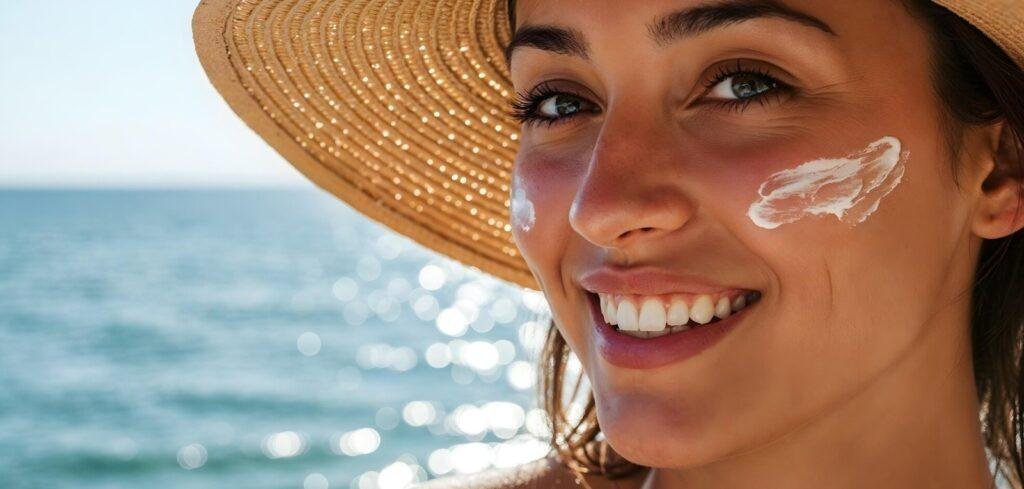
That is why sunscreen alone is not the full story. Sunscreen is essential, but antioxidants provide that additional layer of support your skin needs to deal with what sunscreen cannot fully address on its own.


Most Powerful Antioxidants for Skin

If you want to build the best antioxidant skincare routine for pollution and UV protection, these are the ingredients worth knowing. Each one helps in a slightly different way, which is why choosing the right mix matters so much.

Vitamin C: The Gold Standard for Brightness and Defense

Vitamin C is often the first antioxidant people think of, and honestly, it deserves that reputation. It is one of the most widely loved ingredients for good reason. It helps neutralize free radicals caused by UV exposure and pollution while also supporting collagen production and improving dull, uneven-looking skin.

Vitamin C
Brightening
A powerful antioxidant known for helping defend the skin, support collagen, and improve visible radiance.
  • Helps fight oxidative stress
  • Supports firmer-looking skin
  • Improves dullness and uneven tone
Best For
Morning Use
Best for anyone looking for brighter skin, better environmental defense, and long-term glow support.
  • Great in morning serums
  • Pairs especially well with sunscreen
  • Works best with regular use

Vitamin E: Moisture Support with Protective Benefits

Vitamin E is often overshadowed by Vitamin C, but it is incredibly valuable in its own right. It helps support the skin barrier, improves comfort, and gives the skin extra help when facing dryness and environmental stress. I especially like it in routines where the skin feels dry, tight, or easily irritated.

Vitamin E
Barrier Care
A nourishing antioxidant that supports moisture retention and helps skin feel more resilient.
  • Supports the skin barrier
  • Helps reduce dryness-related stress
  • Adds comfort to antioxidant routines
Best For
Dry Skin
Best for dry, sensitive, or compromised skin that needs both moisture support and antioxidant defense.
  • Often paired with Vitamin C
  • Helpful in creams and serums
  • Useful during harsher weather

Niacinamide: The All-Rounder for Stressed Skin

Niacinamide is one of those ingredients that seems to quietly improve everything. It helps strengthen the barrier, reduce redness, improve uneven tone, and support overall skin balance. If your skin feels stressed by city living, weather changes, or overuse of skincare, niacinamide can be one of the smartest ingredients to include.

Niacinamide
Balancing
A versatile antioxidant-supporting ingredient that helps reinforce the skin barrier and improve tone and texture.
  • Strengthens barrier function
  • Reduces visible redness
  • Helps balance oil and texture
Best For
Everyday Use
Best for nearly every skin type, especially if your skin feels irritated, uneven, oily, or environmentally stressed.
  • Easy to layer with other antioxidants
  • Good in both AM and PM routines
  • Helpful for long-term skin balance

Green Tea Extract: Calm Protection for Reactive Skin

Green tea extract is one of my favorite antioxidants when skin looks irritated, inflamed, or simply overwhelmed. It is rich in polyphenols that help defend the skin while also giving it a calmer, more comfortable feel. That combination makes it especially useful for acne-prone, redness-prone, and sensitive skin types.

Green Tea Extract
Soothing
An antioxidant-rich botanical ingredient that helps calm the skin while defending it from environmental stress.
  • Helps reduce visible irritation
  • Supports the skin’s repair process
  • Useful for reactive complexions
Best For
Sensitive Skin
Best for sensitive, acne-prone, or inflamed skin that needs antioxidant support without feeling overloaded.
  • Great in toners and serums
  • Useful in morning and evening routines
  • Comforting in hot or polluted environments

Resveratrol: A Strong Defender Against Premature Aging

Resveratrol is a plant-derived antioxidant often associated with grapes and berries, and it has become a favorite in anti-aging skincare for good reason. It helps defend the skin against oxidative stress while supporting the skin’s natural recovery process. I usually think of it as a thoughtful ingredient for people who want protection and repair at the same time.

Resveratrol
Anti-Aging
A plant-based antioxidant known for supporting skin repair and reducing signs of environmental aging.
  • Helps fight oxidative stress
  • Supports firmer-looking skin
  • Useful for fine lines and dullness
Best For
Night Repair
Best for night routines focused on repair, especially if your skin shows early signs of stress and aging.
  • Common in treatment serums
  • Works well in minimalist routines
  • Great for mature or tired-looking skin

Ferulic Acid: The Antioxidant Booster

Ferulic acid is powerful on its own, but one of its most valuable roles is how well it works with other antioxidants. It is especially known for helping stabilize and strengthen Vitamin C and Vitamin E formulas. When you see all three together, you are usually looking at a very smart antioxidant combination.

Ferulic Acid
Stability
An antioxidant that helps improve formula stability while supporting smoother, more resilient-looking skin.
  • Boosts other antioxidants
  • Supports visible skin defense
  • Helps maintain formula performance
Best For
Vitamin C Pairing
Best for anyone using Vitamin C who wants a stronger and more stable antioxidant formula.
  • Excellent with Vitamin C and E
  • Good for daytime defense routines
  • Helpful for uneven tone and texture

Coenzyme Q10: Energy Support for Tired Skin

Coenzyme Q10, often called CoQ10, is naturally found in the skin, but levels decrease with age. It helps support cellular energy while also defending the skin from oxidative stress. I like it most for skin that looks tired, flat, or older than it actually feels.

Coenzyme Q10
Revitalizing
An antioxidant that supports skin energy and helps reduce the look of fatigue and early aging.
  • Supports dull, tired skin
  • Helps improve skin vitality
  • Useful for fine lines over time
Best For
Mature Skin
Best for aging, dull, or depleted-looking skin that needs support beyond basic hydration.
  • Good in night creams and serums
  • Works well in repair-focused routines
  • Helpful for long-term skin maintenance

Alpha Lipoic Acid: A Deeper-Acting Defender

Alpha lipoic acid is an interesting antioxidant because it works in both water and oil environments, which gives it a unique role in skincare. It is often used in more advanced formulations aimed at smoothing texture, softening fine lines, and improving the overall look of stressed skin. It is potent, so I prefer seeing it in well-formulated products instead of overly aggressive routines.

Alpha Lipoic Acid
Advanced
A potent antioxidant that helps support smoother texture and reduce visible signs of stress.
  • Helps improve skin texture
  • Supports a refined appearance
  • Useful in targeted anti-aging routines
Best For
Experienced Users
Best for people who already have a simple stable routine and want a more advanced antioxidant step.
  • Choose balanced formulations
  • Do not overload with too many actives
  • Use carefully on sensitive skin

Glutathione: The Brightening Antioxidant

Glutathione is often called a master antioxidant, and it has become especially popular in brightening-focused skincare. It helps reduce oxidative stress while supporting a clearer, more even-looking complexion. If your main concern is dullness, uneven tone, or a skin tone that looks tired rather than luminous, this ingredient can be very appealing.

Glutathione
Brightening
A high-interest antioxidant that helps defend the skin while supporting a brighter, more even appearance.
  • Supports a clearer-looking complexion
  • Helps reduce visible dullness
  • Useful for uneven tone concerns
Best For
Radiance
Best for skin that needs brightening support along with daily antioxidant protection.
  • Works well in glow-focused routines
  • Good when pigmentation is a concern
  • Pairs nicely with barrier support

Astaxanthin: The Super Antioxidant for UV Stress

Astaxanthin is often described as one of the strongest antioxidants used in skincare, and it has become especially interesting for people concerned about sun-related aging. It helps support the skin against UV-induced stress, moisture loss, and loss of elasticity. I think of it as a future-focused ingredient for people who want serious environmental defense.

Astaxanthin
UV Defense
A powerful antioxidant known for helping defend the skin against visible effects of environmental and sun-related stress.
  • Supports elasticity and firmness
  • Helps reduce moisture loss
  • Useful for long-term skin protection
Best For
Preventive Care
Best for anyone focused on preventing premature aging caused by daily UV and environmental exposure.
  • Good in defense-oriented routines
  • Useful with sunscreen and moisturizer
  • Especially nice for mature skin goals

How to Build an Antioxidant Routine

Using antioxidants well is just as important as choosing the right ones. The best antioxidant skincare routine for pollution and UV damage does not need to be complicated. It just needs to be consistent and balanced.

AM
Morning Routine
  • Cleanse with a gentle cleanser.
  • Apply a Vitamin C serum for daily antioxidant defense.
  • Layer niacinamide if your skin needs barrier support or oil balance.
  • Moisturize to keep the skin comfortable.
  • Finish with sunscreen every day.
PM
Night Routine
  • Cleanse away sunscreen, pollution, and buildup gently.
  • Apply repair-focused antioxidants like resveratrol or CoQ10.
  • Use a nourishing moisturizer to support overnight recovery.
  • Keep the routine simple if your skin is easily reactive.

That kind of routine creates a good balance between daytime defense and nighttime recovery, which is exactly what environmentally stressed skin tends to need most.


Can You Combine Antioxidants

Yes, and in many cases, combining antioxidants can actually improve results. Some ingredients naturally support each other and create a stronger overall defense system for the skin.

  • Vitamin C, Vitamin E, and ferulic acid make a strong protective combination.
  • Niacinamide and green tea work well for calming and strengthening stressed skin.
  • Resveratrol and CoQ10 fit nicely into repair-focused night routines.

Common Mistakes to Avoid

One of the biggest mistakes people make is relying on antioxidants without using sunscreen. Antioxidants support protection, but they do not replace SPF. Another common mistake is choosing unstable formulas, especially with Vitamin C, and then expecting strong results from products that may no longer be performing well.

  • Skipping sunscreen while using antioxidants.
  • Using too many actives at the same time.
  • Expecting overnight results.
  • Not storing antioxidant products properly.
  • Switching products too often to judge progress clearly.

Who Should Use Antioxidants

Honestly, antioxidants can benefit almost everyone. They are especially helpful if you live in a city, spend time outdoors, deal with pigmentation, worry about premature aging, or simply want to maintain healthy-looking skin for the long run.

Even if your skin already looks fine, antioxidants can help keep it that way. That is what makes them so valuable. They are not only about fixing visible damage. They are also about preventing some of it from building up so quickly in the first place.


Final Thoughts

When it comes to protecting your skin from pollution and UV damage, antioxidants are one of the smartest additions you can make to your routine. They work quietly in the background, but over time, they can help your skin stay brighter, stronger, calmer, and more resilient.

You do not need a complicated routine filled with every trending ingredient. A few well-chosen antioxidants, used consistently, can do far more than a shelf full of products you rarely use properly. That is something I have seen again and again with skincare.

If your goal is healthy skin that not only looks good now but stays supported long term, antioxidants are not optional extras. They are part of the foundation.


Frequently Asked Questions

What are the best antioxidants for skin protection against pollution and UV damage? +

Some of the best antioxidants for skin protection against pollution and UV damage include Vitamin C, Vitamin E, niacinamide, green tea extract, resveratrol, ferulic acid, CoQ10, glutathione, and astaxanthin.

Can antioxidants replace sunscreen in a skincare routine? +

No, antioxidants cannot replace sunscreen. They help support skin defense, but sunscreen is still essential for direct protection against UV exposure.

Which antioxidant is best for brightening dull skin? +

Vitamin C is one of the most popular antioxidants for brightening dull skin, while glutathione and niacinamide can also support a more even and radiant-looking complexion.

Can I use more than one antioxidant in the same routine? +

Yes, many antioxidants work well together, especially combinations like Vitamin C, Vitamin E, and ferulic acid. The key is to keep the routine balanced and not overload your skin.

Leave a Comment

Your email address will not be published. Required fields are marked *