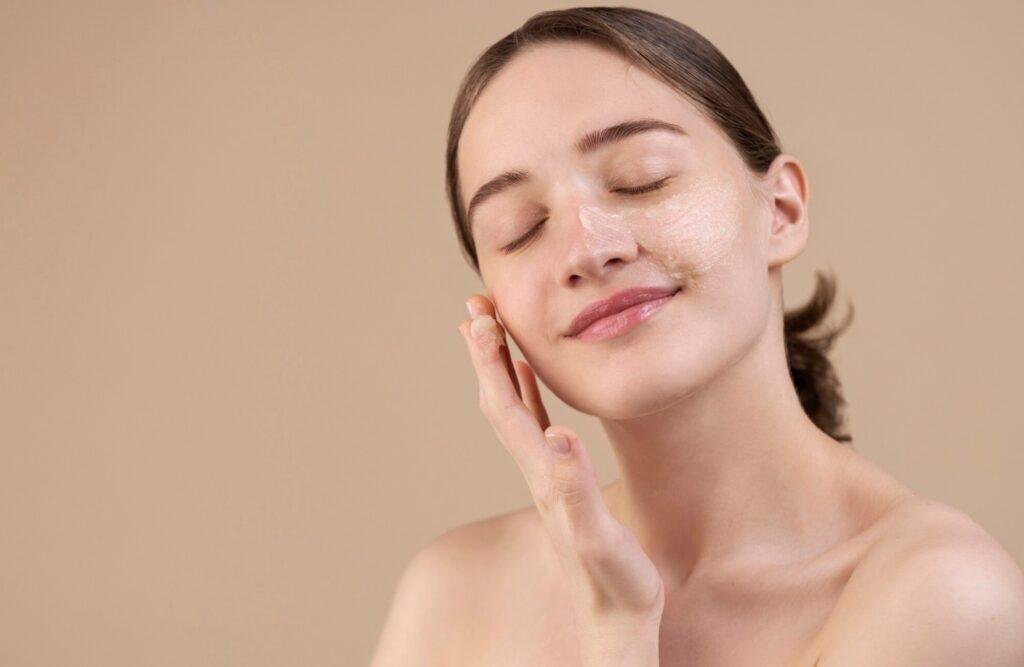
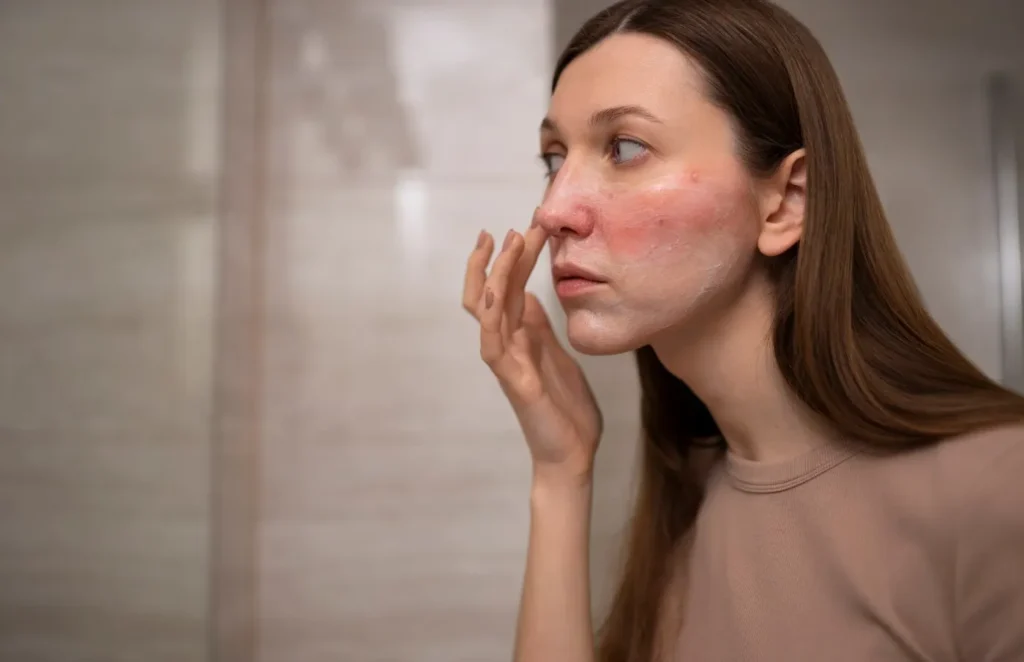
When it comes to sensitive skin, the main focus is always on one thing: repairing and protecting the skin barrier. The simpler your routine is, the better your skin usually responds. Using gentle, fragrance free, and hypoallergenic products can make a noticeable difference over time. Strong exfoliants and harsh ingredients often do more harm than good, so they are better avoided. A good moisturizer that contains ceramides helps rebuild the barrier, and applying a mineral sunscreen every day is equally important. If you stay consistent with these basics, things like redness, itching, and burning usually start calming down and the skin slowly becomes more stable and resilient.
What Causes Sensitive Skin and How to Identify It
Sensitive skin is not always a fixed skin type. In many cases, it develops when the skin barrier gets weak or starts reacting more than usual to everyday triggers. Normally, the skin barrier works like a protective layer that keeps moisture inside and blocks irritants from entering. But when this barrier is damaged, the skin loses hydration faster and becomes dry, tight, or uncomfortable. At the same time, things from the environment like dust, pollution, or allergens can enter more easily and cause irritation or redness.
There is no single reason behind this condition. Weather changes play a big role, whether it is cold air, heat, low humidity, or sudden shifts in temperature. Some people also notice reactions when they use certain skincare ingredients, especially artificial fragrances, strong cleansers, or active ingredients used too frequently or in high strength.
Lifestyle habits also matter more than people realize. Stress, poor sleep, hot showers, and over exfoliation can slowly make the skin more reactive and sensitive over time.
How to Identify Your Specific Type of Sensitivity
Not everyone with sensitive skin experiences it in the same way. The pattern of reaction can be different from person to person, and understanding your own type can really help in managing it better.
Environmentally reactive skin
Usually shows up as redness on the cheeks that comes and goes. The skin may feel tight or slightly stingy, especially when exposed to wind, heat, cold weather, or pollution.
Genetically sensitive skin
Often has more constant redness. In some cases, tiny visible blood vessels may also appear. People may feel burning, warmth, or itching more regularly, and it can be linked with conditions like eczema, rosacea, or psoriasis.
Product reactive skin
Reacts after using certain skincare or cosmetic products. It may show as small bumps, itching, or sudden stinging. Common triggers include fragrances, acids, and essential oils.
Thinning skin
Usually looks more fragile or translucent and can feel dry or sensitive most of the time. It may also bruise easily and is often seen with aging or long term use of strong topical steroids.
Dermatologist Approved Tips for Sensitive Skin
Keeping skincare simple is one of the most effective ways to manage sensitive skin. The less complicated the routine, the lower the chance of irritation.
A gentle cleanser, a basic moisturizer, and sunscreen are usually enough. When too many actives are added, the skin barrier can get overwhelmed and become more reactive.
Before applying anything new on your face, it is better to test it on a small area like behind the ear or inner arm. Waiting for a couple of days helps you understand how your skin will react and avoids unnecessary irritation later.
Hot water may feel relaxing but it actually strips away natural oils from the skin. Lukewarm water is much gentler and helps maintain the skin’s natural balance without making it dry or tight.
Physical scrubs with rough particles can easily damage sensitive skin. If exfoliation is needed, it is safer to go for mild chemical exfoliants like PHAs in low concentration instead of aggressive scrubbing.
Some people with sensitive skin react to chemical sunscreens. Mineral sunscreens containing zinc oxide or titanium dioxide are usually better tolerated and still provide strong protection from UV damage.
Daily Sensitive Skin Care Routine
Morning Routine
- Start with a gentle cleanse using lukewarm water.
- If your skin feels oily but sensitive, a mild cleanser like CeraVe Foaming Cleanser or Cetaphil Oily Skin Cleanser can help.
- Apply a calming ingredient serum if needed; ingredients like panthenol or beta glucan work well
- Follow it with a lightweight moisturizer that does not feel heavy on the skin.
- Finish with sunscreen, ideally a mineral one like La Roche Posay or Neutrogena Sheer Zinc.
Night Routine
- Remove sunscreen and makeup using micellar water or a gentle cleansing oil.
- Wash your face with a mild cleanser to remove residue.
- If prescribed by a dermatologist, use treatment creams carefully and not daily in the beginning.
- Avoid strong actives when your skin is irritated or inflamed.
- End with a richer moisturizer, preferably something with ceramides like CeraVe Moisturizing Cream.
Ingredients to Avoid If You Have Sensitive Skin
Certain ingredients can easily trigger irritation in sensitive skin, so it helps to know what to watch out for.
Fragrances and essential oils
Lavender, peppermint, tea tree, and bergamot can trigger irritation or allergies.
Synthetic perfumes
Even some natural scents may trigger allergies and make the skin more reactive.
Harsh surfactants
Sodium Lauryl Sulfate can strip natural oils and leave the skin feeling dry.
Drying alcohols
Denatured alcohol or isopropyl alcohol can increase dryness and discomfort.
What Are the Safest Ingredients for a Sensitive Skin Barrier
When choosing products, it is better to look for ingredients that actually support and repair the skin barrier. Ceramides, cholesterol, and fatty acids are very helpful because they mimic what the skin naturally contains. For hydration, ingredients like hyaluronic acid and glycerin work well since they help retain moisture inside the skin. If there is redness or irritation, soothing ingredients like centella asiatica, allantoin, and colloidal oatmeal can help calm the skin quite effectively.
Best Moisturizers and Cleansers for Sensitive Skin
Instead of focusing on marketing claims, it is always better to read the ingredient list carefully.
What to look for in a cleanser
- A non foaming or low foam cleanser is usually best.
- Creamy or milky textures tend to be gentler on the skin.
- Ingredients like glycerin help maintain hydration during cleansing.
- After washing, the skin should feel soft and comfortable, not tight or stripped.
What to look for in a moisturizer
- Choose a gentle formula that supports the skin barrier.
- Ingredients like squalane or shea butter can provide good nourishment.
- Niacinamide can help strengthen the skin over time.
- Avoid fragrance and heavy artificial perfumes as much as possible.
- The final product should feel comfortable and hydrating without irritation.
Final Words
Sensitive skin care does not need to be complicated or overwhelming. In fact, the simpler the routine, the better the skin usually behaves. Too many products or strong active ingredients often make the situation worse instead of improving it.
Basic steps like using fragrance free products, a good ceramide based moisturizer, and daily sunscreen are usually enough to keep the skin calm and stable. The most important part is observing your own skin and understanding what it reacts to because every person’s skin behaves a little differently. Once you find what works for you, sticking to it consistently is what really makes the difference over time.
FAQs
What is the skin barrier?
It is the outer protective layer of your skin that keeps moisture in and blocks irritants, pollution, and bacteria. When it is healthy, the skin feels calm and comfortable. When it is damaged, it can feel dry, tight, itchy, or easily irritated.
Can I use anti-aging ingredients like retinol if I have sensitive skin?
Yes, but it should be introduced carefully. Strong retinol can sometimes be too harsh, so gentler options like bakuchiol, or low-strength encapsulated retinol or retinaldehyde are often better choices. Start slowly, around 1–2 times a week. Some people also apply it over a moisturizer to help reduce irritation.
Does stress affect sensitive skin?
Yes. Stress can increase cortisol levels, which may weaken the skin barrier and increase inflammation. This can make the skin more reactive, leading to redness, itching, or sudden sensitivity even without any change in skincare products.